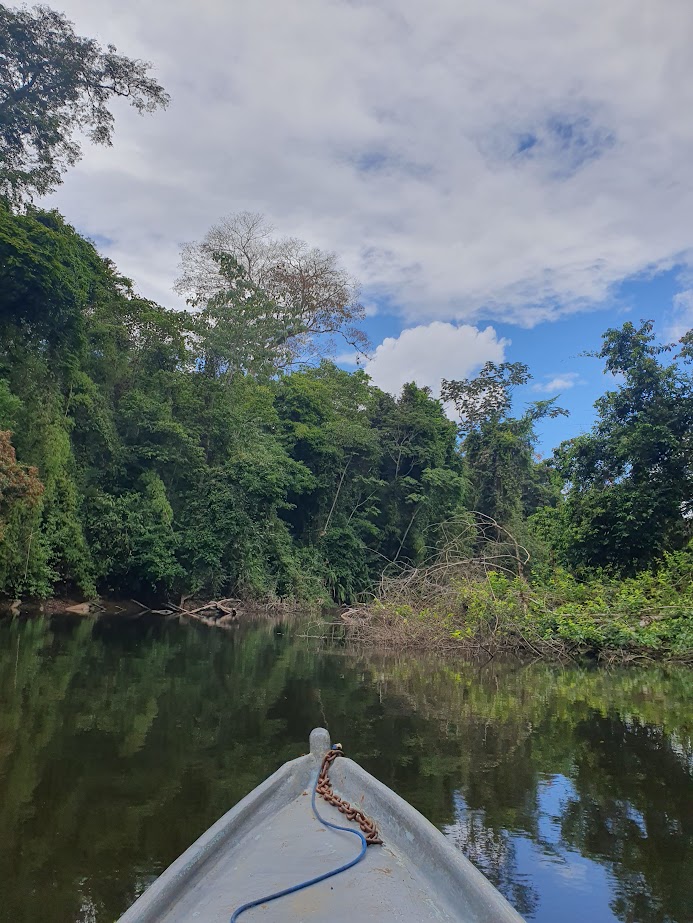
Deep within the southeastern jungles of Nicaragua, an ancient path winds through lush wilderness, flanked by untamed life and echoing with forgotten legends. This path, once traversed by conquerors, dreamers, and scientists alike, is the Río San Juan, a river that carries within its waters the untold story of a continent still beating with mystery. Indeed, the mysterious path of the Americas passes through the majestic Indio Maíz Biological Reserve.
The age of exploration and the Spanish empire
By the year 1500, just eight years after Christopher Columbus set foot on the islands of the Caribbean, the Spanish Empire already stretched across vast parts of the American continent, from the current United States to the southernmost lands of South America. It was the most extensive empire the world had seen. Yet even with such domination, one question still haunted the minds of explorers: what lay beyond this newly discovered continent? If Columbus had not reached Asia, as initially believed, could there be other unknown lands across the oceans?
Columbus and the dream of a passage between oceans
The idea of a natural passage connecting the Atlantic and Pacific Oceans didn’t seem far-fetched. In 1502, during his fourth and final voyage, Columbus arrived at the eastern shores of what is now Nicaragua. From that moment, the legend of a route connecting the seas through rivers, lakes, and jungle began to take form. The Río San Juan became the centerpiece of this dream. The river is born from Lake Cocibolca, also known as Lake Nicaragua, the largest lake in Central America, spanning over 8,000 square kilometers. And intriguingly, this lake lies just 17 kilometers from the Pacific Ocean.
Lake Cocibolca: the freshwater giant of Central America
Spanish explorers, navigating upstream from the Caribbean, eventually reached the calm waters of the lake. Surrounded by tropical heat, jungle dangers, and indigenous resistance, they believed they had found the other ocean. A moment of triumph, until nature revealed its twist. One of the horses, parched from the journey, bent down to drink, and drank. Fresh water. It wasn’t the Pacific Ocean, it was the colossal freshwater Lake Cocibolca. The dream of a direct passage between oceans may have faded, but the river’s importance only grew.
The rise of colonial cities along the river
Along this route, cities such as León and Granada were founded, key colonial hubs from which the Spanish launched their inland expansion. The small canoes that once floated up the river gave way to steamships, and the river became a lifeline for commerce and conquest.
Pirates and foreign intruders on the Río San Juan
But it wasn’t only Spaniards who traveled these waters. French and Dutch pirates also ventured deep into the jungle, seeking treasure and glory. Yet among the most unexpected travelers were not humans, but sharks.
Sharks in Lake Nicaragua: the mystery of bull sharks
Yes, Lake Nicaragua and the Río San Juan are home to bull sharks, a species capable of surviving in both salt and fresh water. For centuries, their presence puzzled scientists. It was eventually discovered that these sharks could swim upstream from the Caribbean Sea, using the river as a migratory route. Long before humans dreamed of crossing continents, these fierce predators were already doing so. In a poetic way, the bull shark became a symbol of adaptation and discovery, just like the explorers of old.
Dreams of a Nicaraguan canal and Cornelius Vanderbilt
By the 18th century, interest in connecting the oceans reignited, this time led by the Americans. They saw immense commercial potential in building a canal through Nicaragua. One of the most vocal advocates was Cornelius Vanderbilt, the powerful businessman who envisioned the Río San Juan as the perfect route for an interoceanic canal. For a while, the dream seemed within reach, but geopolitical shifts and technical challenges led to the canal being built in Panama instead. The Río San Juan was left behind, but never forgotten.
Our journey through Río San Juan in 2024
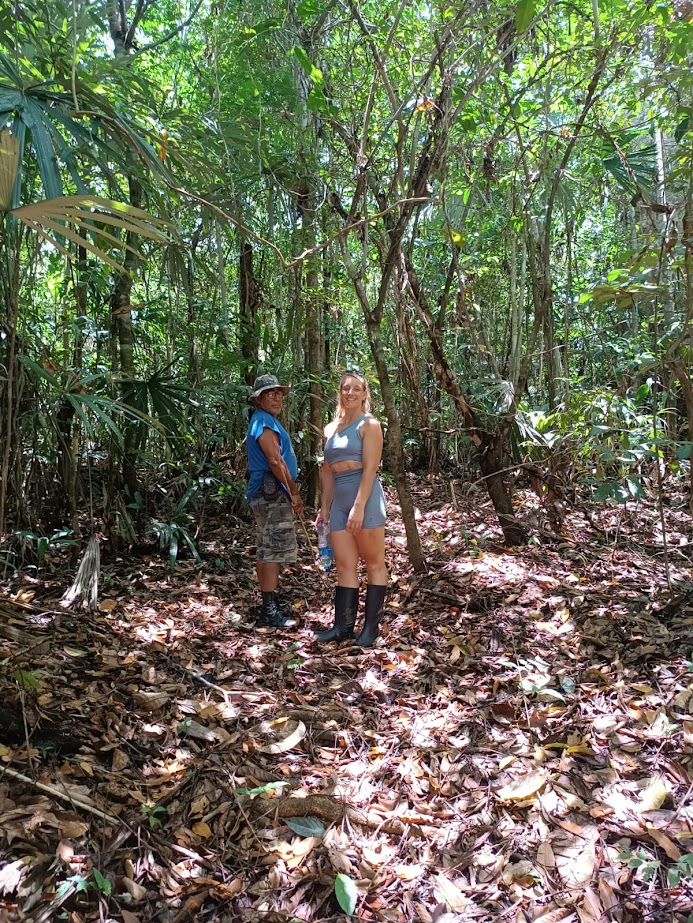
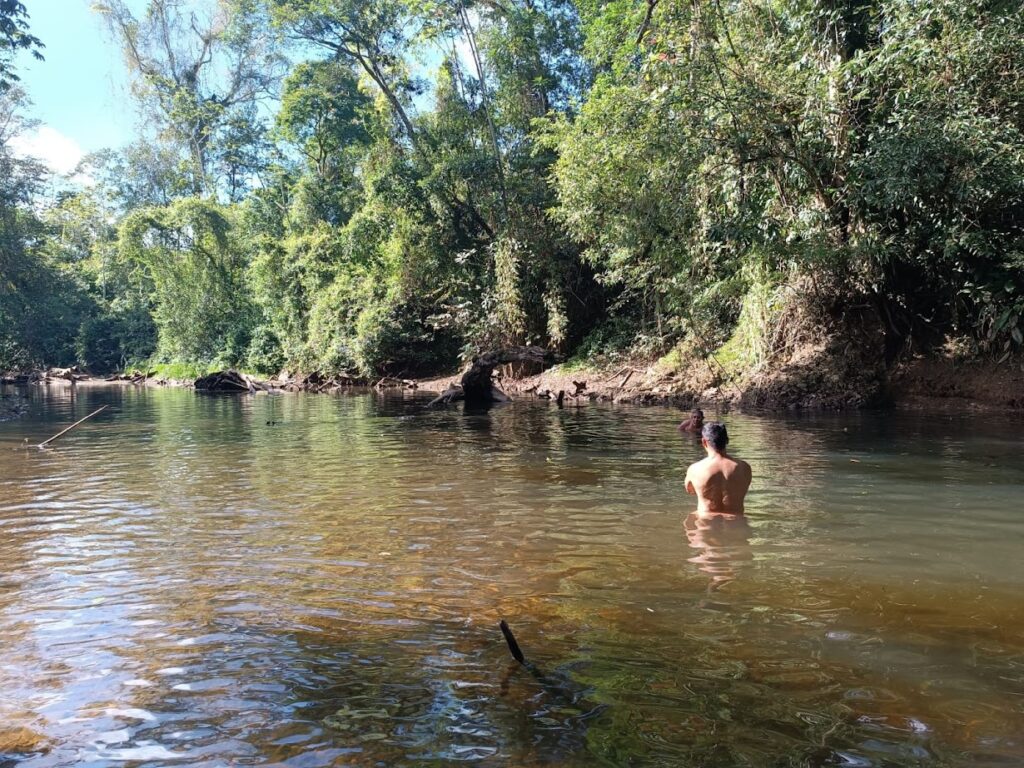
In 2024, Margarita and I embarked on our own journey along this legendary path. We began in San Carlos, heading downriver to El Castillo, a fortress built to defend against pirate attacks. There, we remembered the national hero who stood his ground against foreign invaders. At dawn, we ventured deeper into the Indio Maíz Biological Reserve, one of the most biodiverse regions in the Americas, spanning over 3,000 square kilometers. We slept in hammocks beneath a breathing canopy, the river murmuring old stories while fish leapt and howler monkeys sang their wild song.
The timeless spirit of Nicaragua’s legendary river
We don’t know how many more journeys will be made along this river, nor what secrets it still keeps. But each trip renews the bond between nature and history, between who we were and who we may yet become. The mysterious path of the Americas isn’t lost, it simply waits to be walked again. And at the end of the journey, when the paddle meets the water and morning mist rises above the river, you understand, that path is still there, alive in the soul of Nicaragua, and it still calls.